|
In a design landscape increasingly defined by minimalism and uniformity, Zellij offers something different: human imperfection, deep tradition, and the assured beauty of a craft that has endured for over a millennium.
Zellij is an ancient Moroccan artform originating in the 10th century and perfected during the height of Islamic architecture in Al-Andalus. Its hand-cut edges, glaze variation, and organic texture bring character, warmth, and authenticity to contemporary spaces in a way mass produced tiles simply cannot. Each tile begins as raw terracotta clay, hand-pressed into square moulds and dried in the Moroccan sun. The tiles are then fired in traditional wood-fired beehive kilns (ferranis), where the natural heat variation creates subtle shifts in tone. Once cooled, master craftsmen hand-cut each glazed biscuit into the desired format using a hammer and chisel, giving Zellij its irregular edges and authentic character.
|
|
|
|
|
|
|
What sets Zellij apart in Australian design is its ability to bridge worlds. It sits between history and modernity, grounded in centuries-old craft yet inherently suited to contemporary architecture. Its handmade nature creates movement and variation across an undulated surface. As light moves through a space, each tile reflects it differently, giving Zellij a depth and liveliness that machine-made products can’t replicate.
|
|
|
|
|
|
|
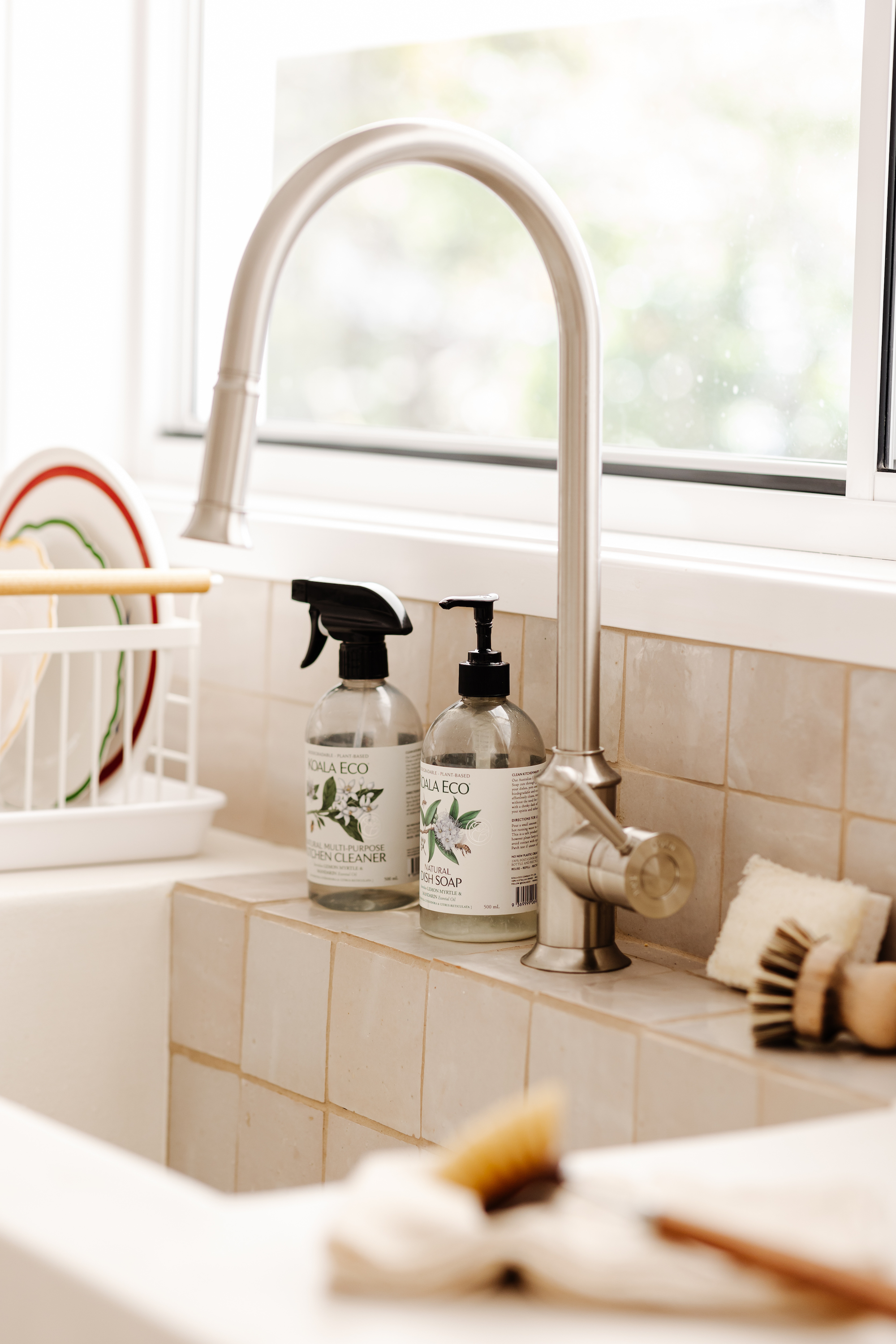
Traditional Zellij uses mineral-based glazes that create earthy, saturated hues from sage greens to terracotta reds. Australian designers are increasingly specifying Zellij for feature walls, kitchen splashbacks, bathroom niches and furniture design. The tiles work equally well in heritage restorations or contemporary builds: adding texture and warmth to minimalist spaces, and holding their own alongside more detailed architectural elements.
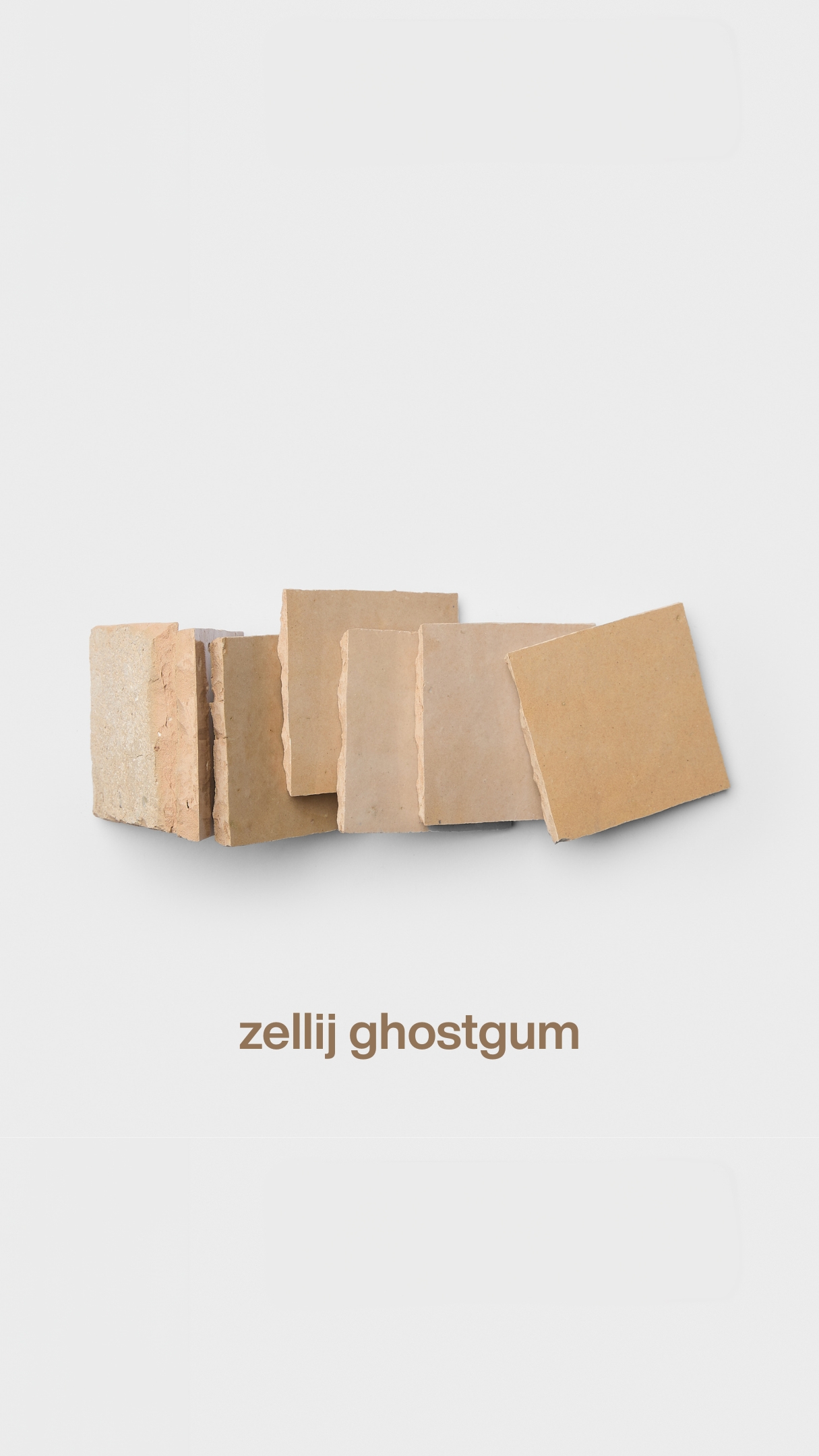
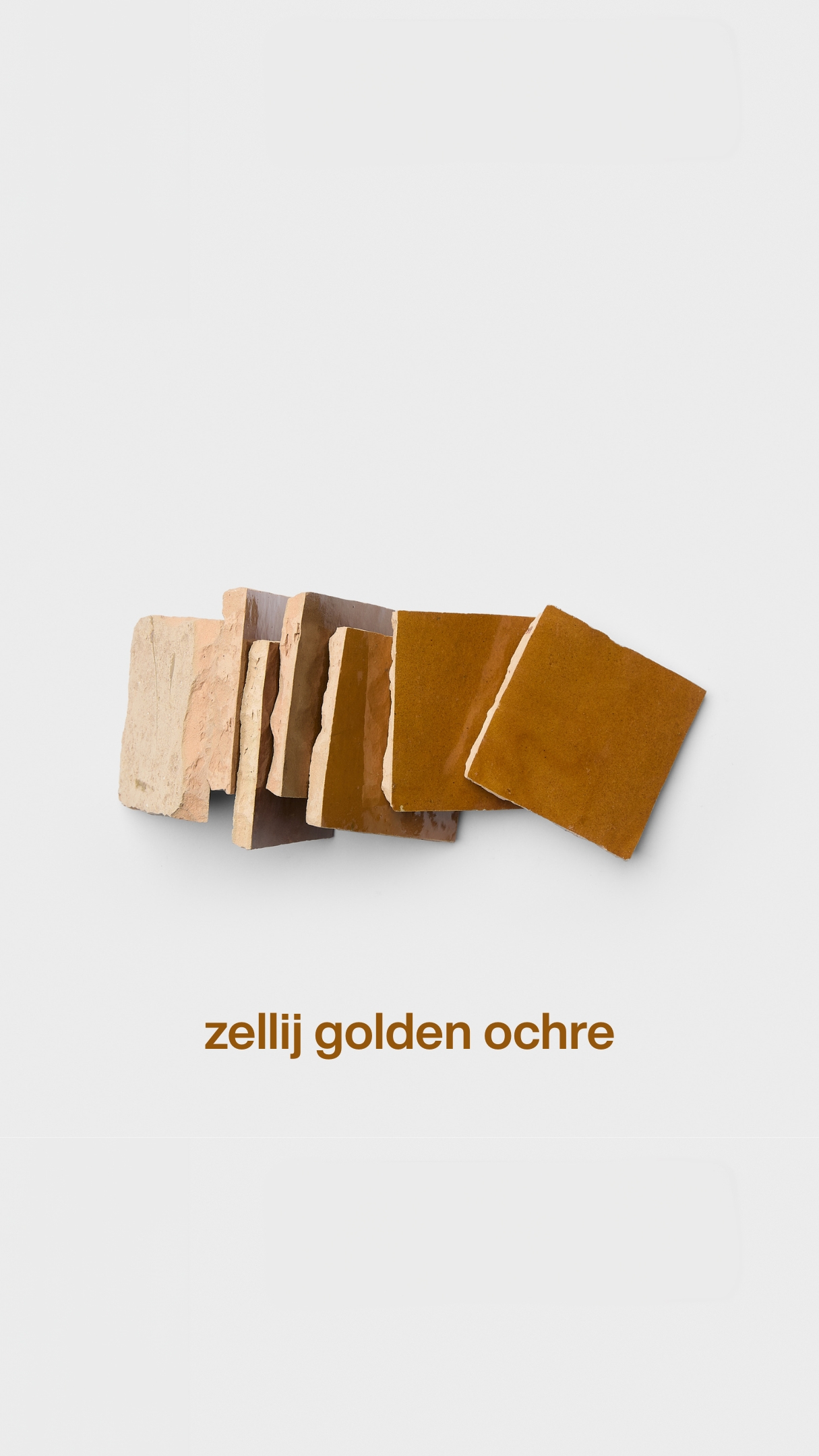
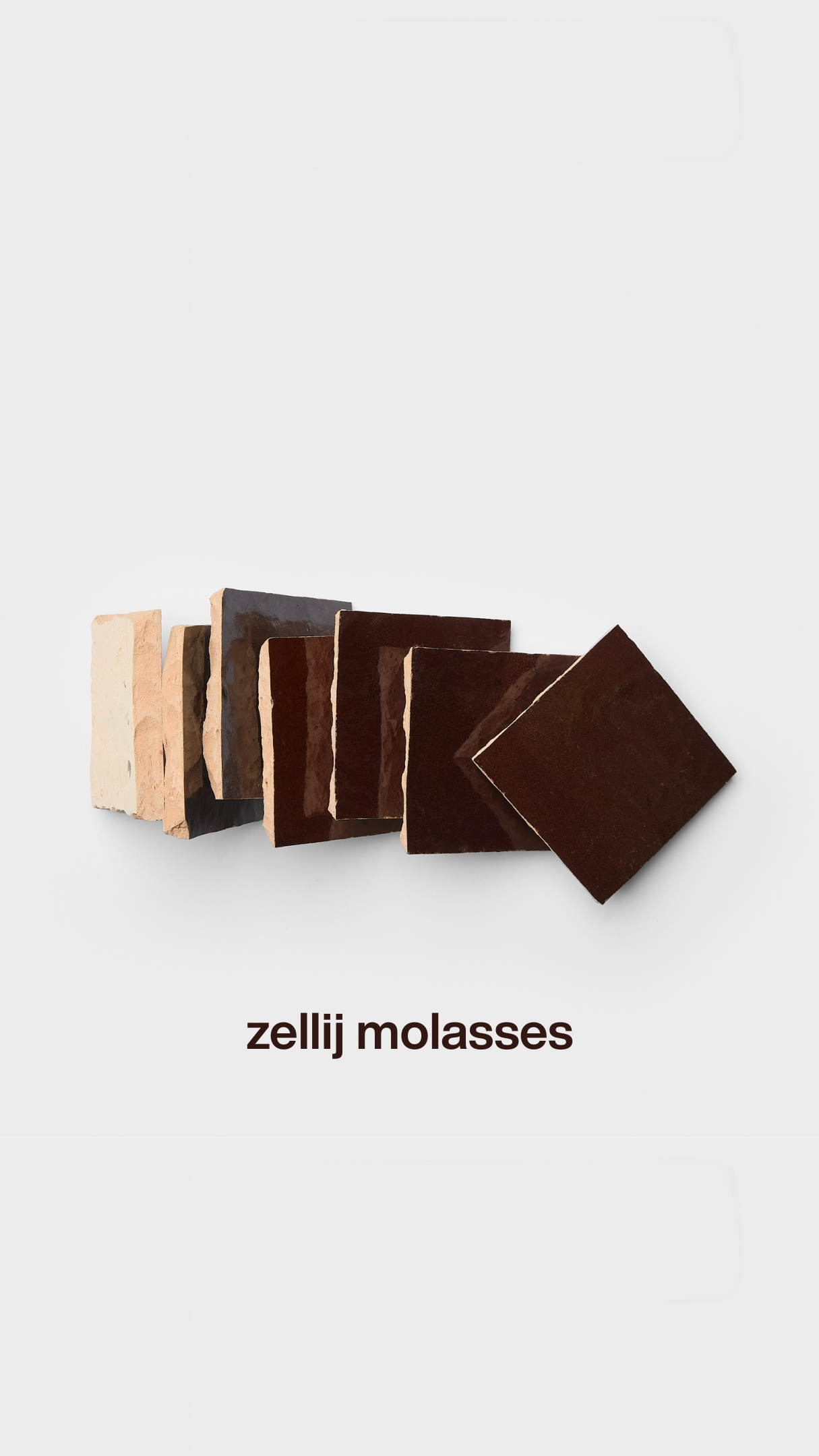
Building on this, we've introduced four new colours to our zellij range, each responding to the Australian landscape:
Ghost Gum: pale and mineral, shifting in natural light Ironbark: deep and earthy, grounding Golden Ochre: warm, sun-baked, luminous Molasses: dark and reflective, capturing light and shadow
|
|
|
|
|
|
|
|
Installation
When specifying Zellij it is vital to understand the product’s unique characteristics. Due to the nature of Zellij we recommend seeking out tilers and builders with experience in handmade ceramic tiles as the installation differs from standard wall tiling. Variation in thickness, colour translation, and dimension is intrinsic to Zellij. These subtleties, including pits/chips or glaze imperfections, are what give the material its depth, unique feel and authenticity. Before any adhesive touches the wall it is important to dry lay the tiles on the floor by mixing stock from multiple boxes. This process allows you to blend colours and thicknesses, identifying how to best display the variation.
Substrate preparation is key to installation success with Zellij. Where possible, Zellij should be installed on a flat, stable substrate as any undulation in the wall will telegraph through. Traditional installation uses very fine joints, sometimes as narrow as 1-2mm. This creates the seamless, continuous surface characteristic of historic Moroccan interiors. However, Australian tilers often prefer slightly wider joints for practicality. We recommend discussing this decision with your tiler early to establish the desired aesthetic outcome.
A high-quality, flexible adhesive is essential. The adhesive bed should be slightly thicker than standard to accommodate thickness variations. Back buttering is non-negotiable. Each tile should be back buttered (adhesive applied to both wall and tile back) to ensure full coverage and compensate for any irregularities. This also helps even out the surface across thickness variations.
Your Home & Zellij
One of the beautiful features of Zellij is its patina. The tiles may craze slightly over time, colours mellow and deepen, and the surface develops a soft sheen from regular cleaning and use. Far from being flaws, these changes are part of what makes the material compelling.With Moroccan handmade tiles, maintenance is straightforward. Clean regularly with pH-neutral products, i.e. warm water and a mild detergent. Avoid harsh chemicals or abrasive cleaners that can damage the glaze. The goal is to let the material age naturally, not to fight against it.
For Australian designers seeking to create interiors with soul and authenticity, Moroccan handmade Zellij deserve serious consideration.
|
|
|
|
|